
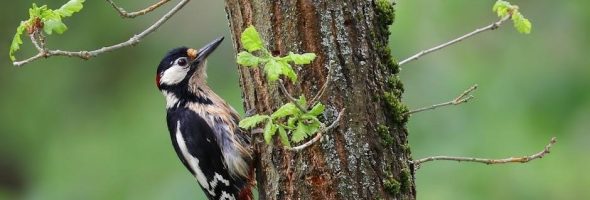
Understanding tree bark is crucial for safe and efficient firewood gathering․ This guide focuses on visual identification, utilizing pictures to distinguish species for optimal burning qualities․
Why Identify Tree Bark?
Accurate tree bark identification is paramount when sourcing firewood, extending beyond simply knowing what trees look like․ Different wood types possess varying densities, heat outputs, and burning characteristics․ Identifying bark allows for selecting hardwoods – like birch or aspen – for longer, hotter burns, versus softwoods like spruce, suitable for quicker starts․
Furthermore, misidentification can lead to burning unsuitable wood, creating excessive smoke or even posing safety hazards․ Knowing the species also aids in sustainable harvesting, ensuring forest health․ Utilizing pictures alongside descriptions enhances accuracy, especially for beginners․ A reliable identification guide, coupled with careful observation of bark features, transforms firewood gathering from a chore into a knowledgeable and rewarding practice․
The Importance of Pictures in Identification
While descriptive text is helpful, pictures are indispensable for successful tree bark identification․ Bark appearance can vary significantly with age, environmental factors, and even the tree’s location on the trunk․ A photograph captures these nuances far more effectively than words alone;
High-quality images showcasing bark texture, color variations, and patterns – furrows, ridges, or plates – provide a visual reference point․ Comparing observed bark to photographic examples in a guide dramatically increases accuracy, particularly for novice firewood gatherers․ Pictures also aid in distinguishing subtle differences between similar species, like black and white spruce․ Relying on both visual and textual cues ensures confident and correct tree identification for safe and efficient firewood collection․
Common Tree Bark Characteristics
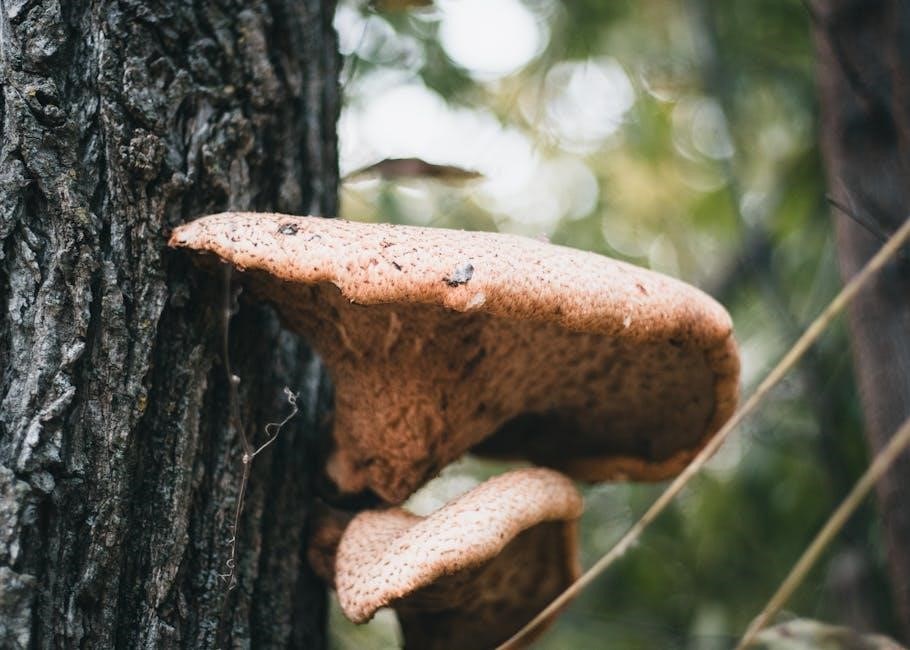
Bark exhibits diverse textures – smooth, rough, or scaly – alongside color variations and distinct patterns like furrows, ridges, and plates, aiding identification․
Bark Texture: Smooth, Rough, and Scaly
Tree bark texture is a primary characteristic for identification․ Smooth bark, like that of young birch trees, feels almost polished and often displays lenticels (small pores); Rough bark, common in mature oaks and hickories, is deeply furrowed and feels coarse to the touch․ Scaly bark, found in pines and some maples, flakes off in plates or scales, revealing layers underneath․
The texture changes with age and species․ A young tree might have smoother bark than its older counterpart․ Observing these variations, alongside color and pattern, provides valuable clues․ For firewood, rough bark often indicates denser wood, while scaly bark can signify quicker drying times․ Recognizing these textures is fundamental to accurate tree identification in the field․

Bark Color Variations
Bark color isn’t always consistent within a species, varying with age, sun exposure, and even local soil conditions․ However, it’s a significant identification feature․ Many birch trees exhibit bright white bark, while black spruce displays a darker, grayish-brown hue․ Aspen bark is typically a pale greenish-white, often with black markings․
Color can also change seasonally․ Some trees develop reddish tints in the fall․ Observing these nuances, combined with texture and pattern, aids accurate identification․ For firewood purposes, darker bark often suggests a slower-drying wood, while lighter colors might indicate faster seasoning․ Remember to consider the overall context when assessing bark color․
Patterns: Furrows, Ridges, and Plates
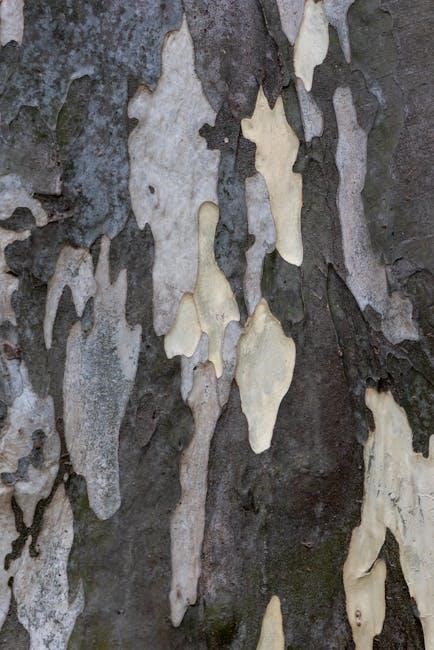
Bark patterns are incredibly diverse, offering key clues for tree identification․ Deep furrows, like those found on mature spruce trees, create a heavily textured appearance․ Others, such as birch, display smooth, papery plates that peel away in layers․ Aspen bark often features relatively smooth ridges, while cottonwood develops thick, plated bark as it ages․
These patterns aren’t static; they evolve with the tree’s growth․ Observing the depth, width, and arrangement of furrows, ridges, or plates is crucial․ For firewood, understanding these patterns can indirectly indicate wood density and burning characteristics․ A deeply furrowed bark might suggest a denser, longer-burning wood․
Identifying Specific Tree Species by Bark
Let’s delve into recognizing individual tree types by their unique bark characteristics, aiding in firewood selection and safe identification practices․
Spruce Tree Bark Identification
Spruce trees, common in Interior Alaska and beyond, present distinctive bark features․ Identifying spruce is vital for firewood users, as different species burn with varying qualities․ Experienced climbers, like Stan Boutin, have extensively studied spruce trees, noting details often overlooked․ Black spruce bark is typically darker, often grayish-brown, and relatively thin, sometimes appearing scaly․ White spruce bark, conversely, is generally lighter in color, ranging from silvery-gray to reddish-brown, and tends to be smoother, developing shallow fissures with age․
Look for a somewhat blocky or flaky texture in both varieties․ Recognizing these subtle differences, aided by pictures, ensures accurate identification when sourcing firewood․ Witches’ broom, a fungal growth, can sometimes be observed on spruce, altering the bark’s appearance, but doesn’t change the underlying bark structure․
Identifying Black Spruce Bark
Black spruce bark is generally a dark grayish-brown, often appearing almost black when wet․ It’s relatively thin and tends to be scaly, flaking off in small, irregular plates․ Unlike white spruce, the bark doesn’t develop deep fissures as it ages, remaining comparatively smooth despite its flaky texture․ Experienced observers, having climbed thousands of spruce trees, note the consistent color and texture․
When identifying for firewood, remember that black spruce bark can sometimes be covered in moss or lichen, obscuring its true color․ Look closely for the small, scale-like plates and the overall darker hue․ A nest box attached to a black spruce by biologist Dave Klein highlights the tree’s prevalence in Alaskan forests․
Identifying White Spruce Bark
White spruce bark, in contrast to its black counterpart, is typically a lighter grayish-brown․ A key characteristic is the development of shallow fissures and ridges as the tree matures, creating a somewhat blocky appearance․ The bark is also relatively thin and can be easily peeled in large, papery sheets, though this is more common in younger trees․ Stan Boutin’s extensive climbing of over 5,000 spruce trees provides valuable observational data․
For firewood identification, focus on the lighter color and the presence of those shallow fissures․ While moss and lichen can grow on white spruce bark as well, the underlying texture remains distinct․ Remember Interior Alaskan forests prominently feature white spruce alongside black spruce, quaking aspen, and other species․
Birch Tree Bark Identification
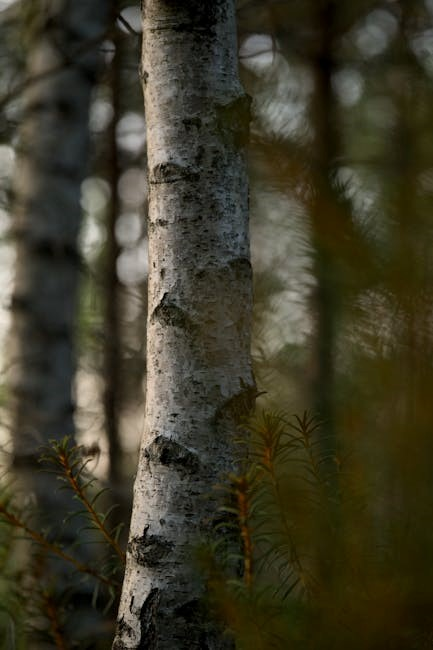
Birch trees are renowned for their distinctive bark, making identification relatively straightforward; The most recognizable species, paper birch, boasts a bright white, papery bark that peels horizontally in thin layers․ This characteristic is due to the presence of betulin, a waxy substance․ Darker lenticels, small horizontal lines, are often visible on the bark’s surface․
However, not all birch species exhibit this striking white coloration․ Other varieties may display shades of gray, yellow, or even reddish-brown․ Interior Alaskan forests include paper birch among their six native tree species․ When identifying for firewood, the peeling bark and bright color are key indicators, though be mindful of variations in older trees․
Paper Birch Bark Characteristics
Paper birch (Betula papyrifera) is easily distinguished by its exceptionally smooth, white bark which readily peels off in paper-like sheets․ This unique feature stems from the presence of betulin within the bark layers․ Horizontal lenticels, dark lines, mark the surface, adding to its visual texture․ The bark’s color can vary with age and exposure, sometimes displaying a yellowish or cream hue․
Notably, this birch species is a prominent member of the six native trees found in Interior Alaskan forests․ For firewood purposes, recognizing the peeling, papery bark is a reliable identification method․ Be aware that older trees may exhibit darker, less vibrant bark, but the peeling characteristic remains consistent, aiding in accurate identification․
Aspen and Poplar Bark Identification
Aspen and poplar trees, common in northern forests, present distinct bark characteristics․ Both species generally exhibit smoother bark when young, becoming rougher and darker with age․ Identifying these trees relies on subtle differences in texture and color․ Quaking aspen (Populus tremuloides) often displays greenish-white bark, especially when freshly exposed, with prominent dark scars․
Balsam poplar (Populus balsamifera) tends to have grayish bark, often exhibiting a balsam-like scent when broken․ Both species are part of the six native trees in Interior Alaska․ Accurate identification is crucial for firewood selection, as burning qualities differ․ Observing the overall tree form alongside bark features enhances identification accuracy, especially when using visual guides and pictures․
Quaking Aspen Bark Features
Quaking aspen bark is remarkably distinctive, particularly in younger trees․ It presents a smooth, greenish-white to pale gray surface, often marked with dark, horizontal lenticels – small, corky pores․ As the tree matures, the bark develops darker, furrowed patches near the base, but retains its overall pale coloration higher up the trunk․ These dark scars are a key identifying feature․
The bark’s smooth texture makes it susceptible to damage from animals, creating additional markings․ Recognizing these features, alongside the aspen’s characteristic trembling leaves, is vital for accurate identification․ Utilizing pictures alongside field guides improves accuracy․ For firewood, aspen burns quickly with moderate heat, making it suitable for shoulder seasons․
Balsam Poplar Bark Details
Balsam poplar bark undergoes significant changes with age․ Young trees exhibit a smooth, grayish-green bark, often displaying prominent, dark, diamond-shaped lenticels․ As the tree matures, the bark becomes thick, deeply furrowed, and dark gray to nearly black, developing a rugged texture․ These furrows run vertically along the trunk, creating a distinctive pattern․
A notable characteristic is the presence of a balsam-like fragrance when the bark is damaged, hence the tree’s name․ This scent aids in identification․ Pictures illustrating these bark variations are invaluable for beginners․ Balsam poplar firewood burns relatively quickly, producing moderate heat, and is best used for quick warmth․
Cottonwood Tree Bark Identification
Cottonwood trees, particularly black cottonwood, are recognized by their distinctive bark․ Young cottonwood trees possess a smooth, greenish-yellow to gray bark․ As they age, the bark thickens and develops deep furrows, becoming grayish-white with flattened ridges․ A key identifier is the bark’s tendency to become scarred and irregular with age, often displaying large, rounded swellings or burls․
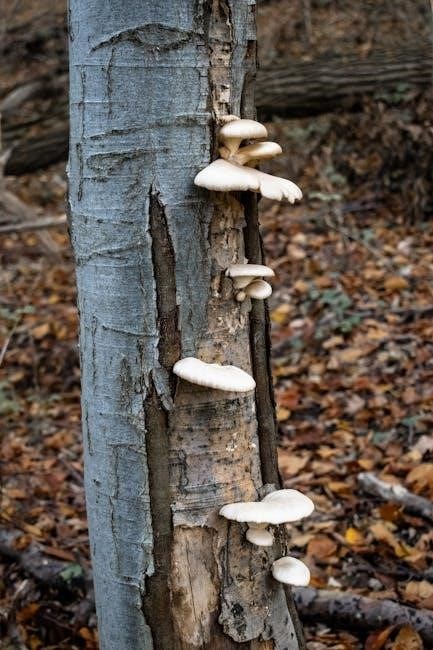
The Klukwan giant, a record-breaking black cottonwood, exemplifies this bark characteristic․ Pictures showcasing these features are essential for accurate identification․ Cottonwood firewood is relatively low-density, burning quickly with moderate heat output, making it suitable for shoulder seasons․
Black Cottonwood Bark Appearance
Mature black cottonwood trees exhibit a thick, deeply furrowed bark, transitioning from smoother, greenish-gray in youth to a grayish-white hue with age․ The furrows are broad and flattened, creating a ridged texture․ Distinctive swellings and burls frequently develop on the trunk, adding to its irregular appearance․ These features are crucial for visual identification, especially when comparing to other poplar species․
The bark often appears scarred and somewhat patchy, reflecting the tree’s rapid growth․ High-quality pictures highlighting these characteristics are invaluable for accurate field identification․ Black cottonwood provides relatively quick-burning firewood, best suited for times when intense heat isn’t paramount․
Larch (Tamarack) Bark Identification
Tamarack, or larch, presents a unique bark appearance that aids in identification․ Younger trees display smooth, thin, and grayish bark, often with resin blisters․ As the tree matures, the bark becomes reddish-brown, scaling off in large, rectangular plates․ This creates a distinctive, shaggy texture, unlike most other conifers․
Detailed pictures showcasing this scaling pattern are essential for accurate identification․ The bark’s color and texture change significantly with age, making it important to observe multiple trees․ Larch firewood is highly valued for its heat output and relatively easy splitting, though resinous content can be a factor․
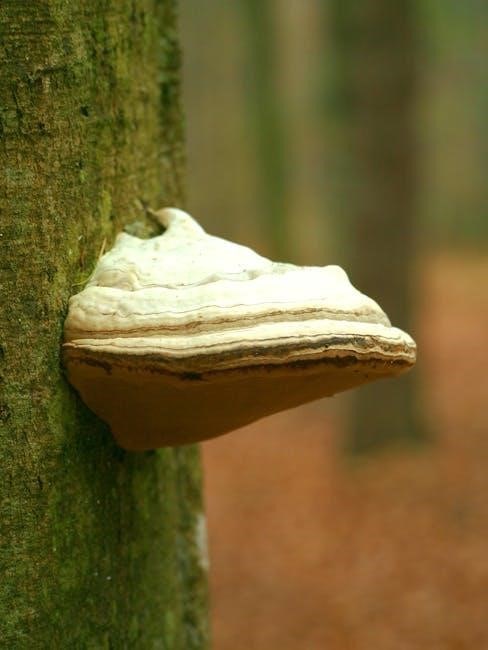
Using Tree Rings for Age and History
Tree rings offer a fascinating glimpse into a tree’s life and past environmental conditions, revealing age and even historical events․
Dating Trees with Growth Rings
Determining a tree’s age is remarkably straightforward: simply count its growth rings! Each year, a tree adds a new layer of wood, thickening during the growing season․ These annual rings represent a chronological record of the tree’s life․ Wider rings generally indicate favorable growing conditions – ample moisture and sunlight – while narrower rings suggest stress, such as drought or competition․
This method, known as dendrochronology, isn’t just about age; it’s a powerful tool for understanding past climates․ By analyzing ring patterns from multiple trees in a region, scientists can reconstruct historical weather patterns with surprising accuracy․ The rings provide a tangible, natural archive of environmental history, offering insights far beyond a simple age estimate․
Dating Earthquakes Using Tree Rings
Beyond simply aging trees, dendrochronology offers a fascinating application: dating past earthquakes․ Large earthquakes can cause physical damage to trees, resulting in distinct patterns within the growth rings․ These patterns often manifest as localized stress wood – denser, darker rings formed in response to injury․
By carefully examining tree rings across a region prone to seismic activity, scientists can identify years where widespread stress wood appeared, potentially indicating a significant earthquake event․ This is particularly valuable for dating earthquakes that occurred before the advent of reliable historical records, extending our understanding of seismic history far into the past․ It’s a unique way to unlock Earth’s geological narrative․
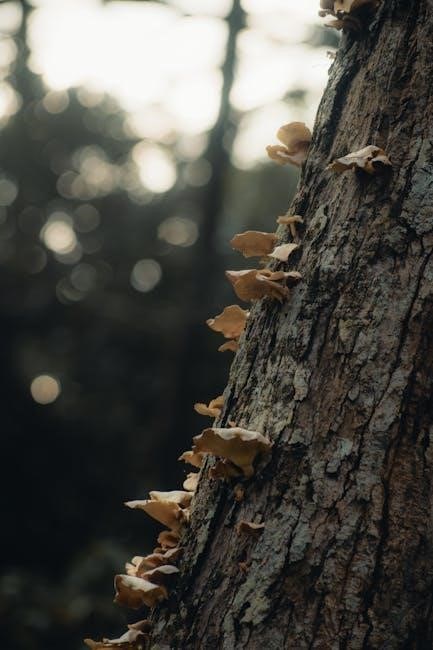
Unusual Bark Features & Tree Health
Abnormal growths like witches’ brooms or spiral grain can indicate disease or past trauma, impacting wood quality and potentially signaling tree health issues․
Witches’ Broom on Spruce Trees
A witches’ broom, commonly observed on spruce trees, presents as a dense cluster of twigs and needles emerging from a single point on a branch․ This peculiar growth isn’t caused by magic, but by a rust disease – a type of fungal infection․ The rust pathogen lives on the spruce throughout the year, becoming visibly active each spring․
Small, yellow pustules then appear, releasing spores that spread the infection․ While not immediately fatal, a severe witches’ broom can weaken the tree, making it more susceptible to other stressors․ For firewood purposes, wood from branches heavily affected by witches’ broom might be lower in quality and potentially harbor fungal spores, though burning typically neutralizes these․
Experienced forest observers, like Stan Boutin who has climbed over 5,000 spruce trees, often check for these formations, sometimes finding evidence of nesting birds within the dense growth․
Spiral Grain and Lightning Marks
Occasionally, trees exhibit spiral grain, where the wood fibers twist around the trunk․ A fascinating, though rare, phenomenon is when a lightning strike follows this spiral pattern, creating a visible mark along the bark․ One observer documented a tree where the lightning mark precisely mirrored the spiral grain, sparking questions about the connection․
While a single instance doesn’t prove causation, it suggests a potential link between the tree’s internal structure and its vulnerability to lightning․ The spiral grain might create a path of least resistance for the electrical current․ Such trees, while visually striking, may have compromised structural integrity․
For firewood, wood with significant spiral grain can be more challenging to split, but burns similarly to straight-grained wood․
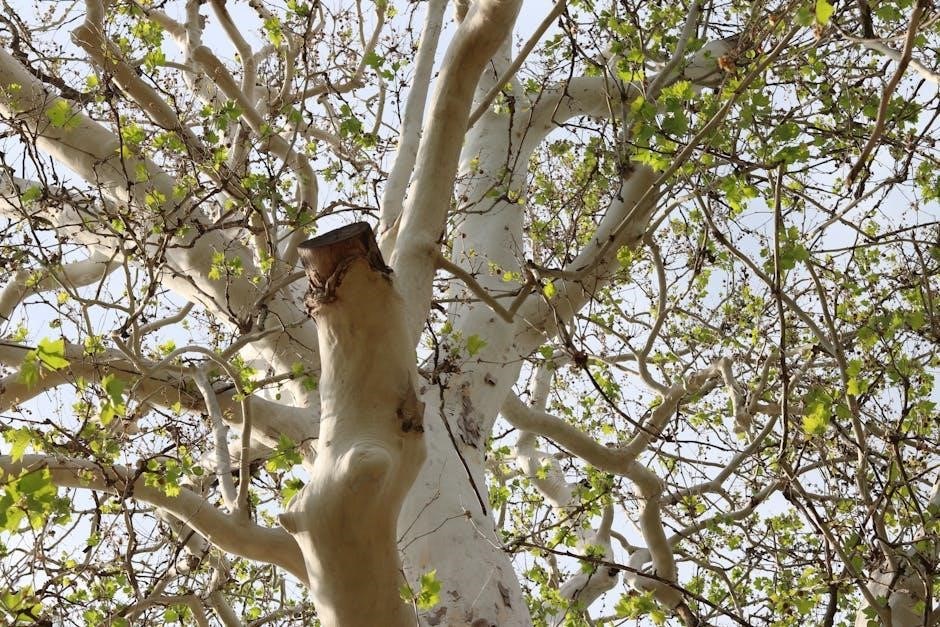
Resources for Further Identification
Numerous online guides and comprehensive field guides are available to enhance your tree bark identification skills, aiding in selecting optimal firewood species․
Online Tree Identification Guides
The digital age provides a wealth of resources for tree bark identification․ Several websites offer interactive keys, allowing users to narrow down species based on observed characteristics like texture, color, and pattern․ These guides frequently include high-resolution photographs showcasing bark variations across different ages and environmental conditions․
Many university extension programs and forestry departments maintain online databases with detailed species descriptions and identification tools․ These resources are often regionally specific, increasing accuracy․ Furthermore, image-based search engines can be utilized by uploading a picture of the bark for potential matches․ Remember to cross-reference information from multiple sources to confirm identification, especially when selecting firewood․
Field Guides and Books
Traditional field guides remain invaluable tools for tree bark identification, offering detailed illustrations and descriptions not always found online․ These resources often categorize trees by region, simplifying the identification process․ Look for guides specifically focusing on dendrology – the study of trees – or forestry, as they typically provide comprehensive bark characteristics․
Books allow for offline access, crucial when exploring remote areas without internet connectivity․ Many guides include identification keys, comparing observed features to a range of possibilities․ Supplementing online resources with a physical field guide provides a robust approach to accurate tree identification, ensuring safe and effective firewood collection․