

Hoover Wash and Dry 300 Manual: A Comprehensive Guide
This comprehensive guide introduces the unique features of your Hoover H-Dry 300. It ensures a successful experience, detailing functionality and offering solutions for appliance repair.
Welcome to the world of convenient laundry solutions! This introduction to the Hoover Wash and Dry 300 sets the stage for understanding its innovative features. Whether purchased from Boulanger or elsewhere, this manual provides essential guidance for optimal performance and longevity.
The Hoover H-Dry 300 combines washing and drying capabilities into a single appliance, saving you time and space. This user manual is designed to familiarize you with its functionalities, ensuring a seamless experience. Boulanger supports appliance repair and offers solutions to extend its lifespan, regardless of the purchase location. Explore the design, innovations, and practical functions tailored to your needs.

Key Features and Benefits
The Hoover Wash and Dry 300 boasts a range of features designed for modern living. Boulanger highlights its innovative design and practical functions, catering to diverse laundry needs. Enjoy the convenience of combined washing and drying, saving valuable time and space within your home.
Benefit from a wide selection of wash programs and drying options, ensuring optimal care for various fabrics. Boulanger offers support for repairs and solutions to prolong the appliance’s life, regardless of where it was purchased. Experience the ease of use and efficiency this appliance brings, alongside Boulanger’s commitment to quality and customer satisfaction.

Understanding the Control Panel
The control panel provides access to all functions. Familiarize yourself with buttons, symbols, and display indicators for optimal operation and a seamless laundry experience.
Detailed Explanation of Buttons and Symbols
Navigating the control panel begins with understanding each button and symbol. The ‘Start/Pause’ button initiates or temporarily halts the selected wash or dry cycle. Program selection buttons, often depicted with icons representing fabric types (cottons, synthetics, delicates), allow you to choose the appropriate settings. Temperature adjustment buttons modify the wash water temperature, while spin speed controls determine the intensity of the final spin cycle.
Symbols indicate specific functions. A droplet symbol represents water level or rinse options, a heat symbol signifies drying temperature, and a clock symbol denotes delay start. Additional symbols may indicate extra features like pre-wash, intensive stain removal, or easy iron options. Refer to the full manual for a complete visual guide to all symbols and their corresponding functions, ensuring optimal use of your Hoover Wash and Dry 300.
Display Indicators and Their Meanings
The Hoover Wash and Dry 300’s display panel utilizes various indicators to communicate machine status. A flashing ‘Start/Pause’ indicator signals the cycle is paused, while a solid indicator confirms operation. Remaining time displays the estimated duration of the current cycle, updating dynamically as the process progresses.
Error codes, displayed as alphanumeric sequences, alert you to potential issues. These codes, detailed in the troubleshooting section of the manual, pinpoint specific problems like water supply issues or drainage blockages. Indicators for filter status (clean or requiring attention) and detergent levels provide maintenance reminders. A child lock indicator confirms activation, preventing accidental program changes. Understanding these indicators ensures efficient operation and prompt resolution of any issues.
Installation and Setup
Proper installation is crucial for optimal performance. This section details initial setup, water connections, drainage procedures, and essential electrical requirements for safe operation.
Initial Setup Instructions
Before first use, carefully unpack your Hoover Wash and Dry 300, removing all transportation bolts and packaging materials. These are vital for safe operation and preventing damage during the wash and dry cycles. Ensure the appliance is placed on a level surface to minimize vibrations and noise.
Inspect the machine for any visible damage that may have occurred during shipping. If damage is present, do not operate the appliance and contact customer support immediately. Familiarize yourself with the location of the water inlet and drain hoses, preparing for connection.
It’s recommended to perform a short, empty wash cycle before loading laundry to clean the drum and hoses of any residual manufacturing debris. This initial cycle helps ensure the purity of your first wash load and optimizes performance.
Water Connection and Drainage
Connect the water inlet hose to a cold water supply with sufficient pressure (refer to technical specifications for details). Ensure the hose is securely tightened to prevent leaks. The drain hose should be positioned correctly to facilitate proper water drainage, avoiding kinks or obstructions.
Proper drainage is crucial for optimal performance. The end of the drain hose must be positioned at a suitable height, as specified in the manual, to prevent siphoning. Regularly check the drain hose for blockages or damage, ensuring a clear pathway for wastewater.
Before operating, verify all connections are secure and leak-free. Incorrect water connection or drainage can lead to malfunctions and potential water damage. Always follow local plumbing codes and regulations when installing the appliance.
Electrical Requirements and Safety
The Hoover Wash and Dry 300 requires a dedicated, grounded electrical outlet matching the voltage specified on the appliance’s rating plate. Never use extension cords or adapters, as they can pose a fire hazard. Ensure the electrical installation complies with local regulations and is performed by a qualified electrician.
Prioritize safety during installation and operation. Avoid operating the appliance with a damaged power cord or plug. Disconnect the appliance from the power supply before cleaning or performing maintenance. Do not expose the electrical components to water or moisture.
Always adhere to the safety guidelines outlined in this manual. Improper electrical connection or disregard for safety precautions can result in electric shock or fire. Boulanger provides support for appliance repair and longevity.

Operating Instructions
Properly load and unload the machine, selecting appropriate wash programs for optimal results. Utilize the drying function following wash cycles for convenience and efficiency.
Loading and Unloading the Machine
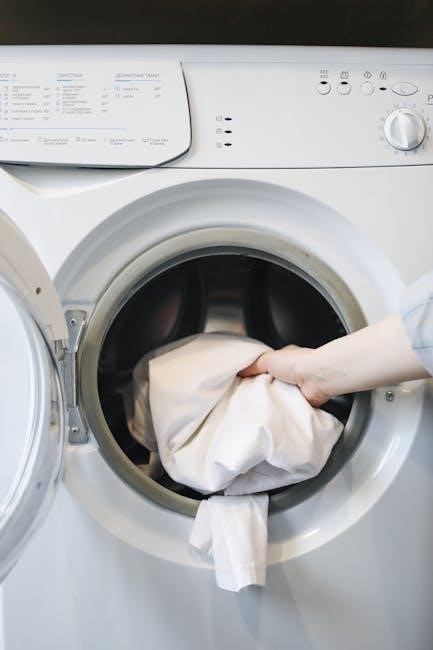
Before initiating any wash cycle, ensure the Hoover Wash and Dry 300 is properly prepared. Open the door and carefully load items, avoiding overloading which can compromise cleaning performance and potentially damage the appliance. Distribute laundry evenly around the drum to maintain balance during spinning.
Always check pockets for any objects – coins, keys, or other items – that could cause damage. Delicate garments should be placed inside a mesh laundry bag for protection. When unloading, carefully remove both washed and dried items, shaking them out to minimize wrinkles.
Remember to inspect the drum for any forgotten items before closing the door. Consistent adherence to these loading and unloading practices will maximize the lifespan and efficiency of your Hoover Wash and Dry 300.
Selecting Wash Programs
The Hoover Wash and Dry 300 offers a variety of wash programs tailored to different fabric types and soil levels. Familiarize yourself with each program’s specific settings – temperature, spin speed, and wash duration – to achieve optimal cleaning results. Options typically include delicate, wool, cotton, synthetics, and quick wash cycles.
Utilize the program selector dial or touch screen (depending on your model) to choose the appropriate cycle. Consider the load size and degree of soiling when making your selection. For heavily soiled items, a pre-wash cycle can be beneficial.
Always refer to the garment care labels for specific washing instructions. Proper program selection ensures effective cleaning while protecting your clothes from damage, extending their lifespan and maintaining their quality.
Using the Drying Function
The Hoover Wash and Dry 300’s integrated drying function offers convenience by eliminating the need to transfer wet laundry. After the wash cycle completes, select your desired drying level – typically ranging from cupboard dry to extra dry – using the control panel.
Consider the fabric type when choosing a drying setting. Delicate fabrics require lower temperatures and shorter drying times to prevent shrinkage or damage. Ensure the lint filter is clean before initiating the drying cycle for optimal performance and safety.
Monitor the drying process and adjust settings if necessary. The machine will automatically stop once the selected drying level is reached, saving energy and protecting your garments.

Maintenance and Troubleshooting
Regular cleaning of filters and descaling are crucial for optimal performance. Addressing common error codes promptly ensures longevity and efficient operation of your appliance.
Cleaning the Filters
Maintaining clean filters is paramount for the efficient operation of your Hoover Wash and Dry 300. Regularly inspect and clean both the inlet and outlet filters to prevent blockages and ensure optimal performance. A clogged filter restricts water flow and can lead to reduced washing and drying effectiveness.
To access the filters, locate the access panel – its position is detailed in the ‘Understanding the Control Panel’ section; Carefully remove the filters and rinse them under running water, removing any lint, debris, or soap residue. For stubborn build-up, a soft brush can be utilized; Ensure the filters are completely dry before re-installing them, preventing mold growth and maintaining hygiene. Consistent filter cleaning extends the lifespan of your appliance and guarantees peak functionality.
Descaling the Machine
Regular descaling is crucial to prevent limescale build-up within your Hoover Wash and Dry 300, particularly if you live in a hard water area. Limescale accumulation reduces heating efficiency, increases energy consumption, and can ultimately damage internal components.
Use a commercially available descaler specifically designed for washing machines, following the manufacturer’s instructions carefully. Typically, this involves adding the descaler to the detergent dispenser and running a hot wash cycle without any laundry. It’s recommended to perform a descaling cycle every 6-12 months, or more frequently if you notice reduced performance. After descaling, run an additional rinse cycle to remove any remaining descaler residue, ensuring clean laundry in subsequent washes.
Common Error Codes and Solutions
Encountering an error code on your Hoover Wash and Dry 300 indicates a potential issue requiring attention. While specific codes vary, some common ones include ‘F01’ (water inlet issue – check the water supply and hose), ‘F02’ (drainage problem – inspect the drain hose for blockages), and ‘F03’ (temperature sensor fault – may require professional repair).
Before contacting service, try resetting the machine by unplugging it for 10 minutes. Consult the full manual for a complete list of error codes and their corresponding solutions. If the error persists after troubleshooting, or if you are uncomfortable attempting repairs yourself, contact a qualified technician for assistance to avoid further damage.
Safety Precautions
Always prioritize safety when using the Hoover Wash and Dry 300. Utilize the child lock feature and familiarize yourself with emergency procedures for safe operation.
General Safety Guidelines
Before operating your Hoover Wash and Dry 300, carefully review these essential safety guidelines. Ensure the appliance is properly installed and grounded to prevent electrical hazards. Never operate the machine with a damaged power cord or plug. Always disconnect the appliance from the power supply before performing any maintenance or cleaning.
Keep children and pets away from the appliance during operation. Do not overload the machine, as this can cause damage and affect performance. Avoid contact with water during operation to prevent electric shock. If the appliance malfunctions, immediately disconnect it from the power supply and contact qualified service personnel. Regularly inspect the appliance for any signs of damage or wear.
Proper ventilation is crucial during the drying cycle. Do not place flammable materials near the appliance. Always follow the manufacturer’s instructions for loading and unloading the machine.
Child Lock Feature
The Hoover Wash and Dry 300 incorporates a valuable Child Lock feature, enhancing safety within your home. This function prevents unintended operation of the machine by curious children, safeguarding against accidental program changes or interruptions during a wash or dry cycle. To activate the Child Lock, typically a combination of buttons on the control panel must be pressed simultaneously – consult your manual for the specific sequence.
Once activated, the control panel buttons will become unresponsive to touch, indicated by a lit symbol on the display. This ensures that settings remain unchanged. To deactivate the Child Lock, repeat the button combination. Always ensure the feature is deactivated when you intend to use the appliance.
This feature provides peace of mind, especially in households with young children, preventing potential hazards and ensuring responsible appliance usage.
Emergency Procedures
In emergency situations with your Hoover Wash and Dry 300, immediate action is crucial for safety and preventing damage. If you suspect a malfunction, immediately switch off the appliance and disconnect it from the electrical supply. Do not attempt self-repair; contact qualified service personnel for assistance.
In case of water leakage, shut off the water supply to the machine and mop up any spilled water to prevent slips and electrical hazards. If smoke is detected, evacuate the area and call emergency services.
Familiarize yourself with the location of the emergency shut-off valve for the water supply. Boulanger offers repair services and solutions to prolong the appliance’s life, but emergencies require immediate safety measures. Prioritize safety and professional assistance.
Technical Specifications
Boulanger offers a wide range of appliances, including the Hoover Wash and Dry 300. This model boasts 25,000 references for everyday essentials and innovative design.
Dimensions and Weight
Understanding the physical characteristics of your Hoover Wash and Dry 300 is crucial for proper installation and space planning within your home. Boulanger, a specialist in home appliances and multimedia, offers a diverse selection, ensuring you find the perfect fit for your needs. While specific dimensions aren’t detailed in the provided text, consider the appliance’s capacity when assessing available space.
Weight is another important factor, particularly during installation and potential relocation. Boulanger emphasizes providing assistance and solutions to prolong the appliance’s lifespan, suggesting a robust build quality. Consider floor support and ease of maneuverability when positioning the unit. Detailed specifications, including precise dimensions and weight, are typically found on the product packaging or the official Hoover website, complementing this guide.
Energy Consumption
Understanding the energy consumption of your Hoover Wash and Dry 300 is vital for efficient household management and minimizing environmental impact. Boulanger highlights offering innovations and practical functions, implying a focus on modern appliance efficiency. While the provided text doesn’t specify exact kilowatt-hour (kWh) usage, consider that wash and dry cycles inherently require significant energy.
Factors influencing consumption include program selection, load size, and drying settings. Boulanger’s commitment to extending appliance lifespan suggests durable components, potentially contributing to sustained energy performance. Refer to the energy label affixed to the machine for detailed ratings and compare with other models. Optimizing usage – like utilizing eco-programs and full loads – will help reduce overall energy expenditure and costs.
Water Consumption
Efficient water usage is a key consideration when operating your Hoover Wash and Dry 300. Boulanger emphasizes providing appliances tailored to your needs, suggesting a focus on resource management. While the provided snippets don’t detail specific liters per cycle, modern washer-dryers are designed to optimize water consumption.
Factors impacting water usage include the selected wash program, load size, and whether extra rinse cycles are activated. Utilizing eco-programs and fully loading the machine will minimize water waste. Boulanger’s repair services and focus on appliance longevity indirectly support water conservation by ensuring optimal machine function. Always check the product specifications label for detailed water consumption figures and compare them to similar models for informed decision-making.